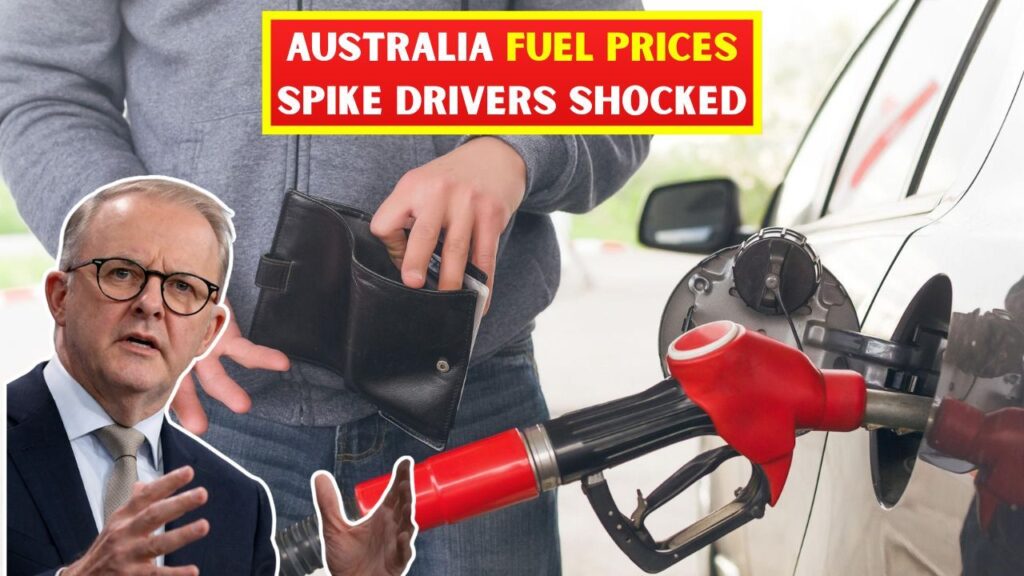
Fuel prices across Australia are climbing once again, placing renewed pressure on households already managing rising everyday expenses. For many drivers, filling the tank is becoming noticeably more expensive, and early signs suggest the trend may continue in the weeks ahead.
This latest surge reflects broader global shifts in oil markets, currency fluctuations, and seasonal demand patterns. While fuel price changes are not new, the speed and consistency of recent increases have sparked concern among motorists and businesses alike. Understanding the causes behind the spike—and how to manage its impact—has never been more important.
Why Fuel Prices Are Rising Again

The recent jump in fuel prices is closely tied to developments in the global oil market. Petrol pricing in Australia is influenced by international crude oil costs, currency exchange rates, and domestic supply conditions.
Global Oil Supply Pressures
One of the most significant drivers behind rising fuel prices is the tightening of global oil supply. Production adjustments by major oil-producing countries have reduced available supply, which naturally increases the cost of crude oil.
When supply decreases while demand remains steady or rises, prices tend to move upward. This global imbalance has been reflected in wholesale fuel costs, which are then passed on to motorists.
Geopolitical Uncertainty

International tensions in oil-producing regions can disrupt production and transportation routes. Even the possibility of supply disruptions can create volatility in the market, pushing prices higher.
Market uncertainty often leads traders to increase prices in anticipation of future shortages. This ripple effect can be seen at petrol stations within days or weeks of global changes.
Currency Exchange Movements
Another important factor affecting fuel prices is the strength of the Australian dollar. Since crude oil is typically priced in US dollars, fluctuations in currency value directly influence import costs.

When the local currency weakens, it takes more money to purchase the same amount of oil. This increase translates into higher fuel costs for consumers.
The Impact on Australian Drivers and Households
Rising fuel costs do more than increase spending at the pump—they affect the broader financial landscape for households and businesses.
Increased Daily Expenses
For many Australians, driving is an essential part of daily life. Commuting to work, attending school, running errands, and managing family responsibilities all depend on reliable transportation.
When fuel prices rise, households must allocate more of their budgets toward transportation. This reduces spending capacity for other essentials such as groceries, utilities, and savings.
Even small price increases can add up significantly over time, especially for drivers who travel long distances each day.
Higher Cost of Goods and Services
Fuel prices influence the cost of transporting goods across the country. When transportation becomes more expensive, businesses often pass those additional costs to customers.
This creates a chain reaction throughout the economy. Higher freight costs lead to increased prices for food, household items, and services, adding to the overall cost of living.
Pressure on Small Businesses
Small and medium-sized businesses are particularly vulnerable to fuel price increases. Companies that rely on delivery vehicles, logistics, or travel services may face higher operating costs.
Without adjustments to pricing or operational efficiency, these businesses may struggle to maintain profitability during prolonged periods of high fuel costs.
Seasonal Demand and Market Cycles
Fuel prices often rise during specific periods due to predictable demand patterns. Seasonal travel, holidays, and economic activity levels can influence how much fuel is consumed nationwide.
Peak Travel Periods
During busy travel seasons, fuel demand typically increases. More vehicles on the road result in faster consumption of available fuel supplies.
This increased demand can temporarily push prices higher, especially when combined with limited supply.
Refinery Maintenance and Supply Constraints
Fuel production facilities occasionally undergo scheduled maintenance. During these periods, production output may decrease, reducing supply in the market.
If maintenance coincides with strong demand, prices can rise more sharply than usual.
How Drivers Can Manage Rising Fuel Costs
While global market forces are beyond individual control, drivers can take practical steps to reduce fuel consumption and manage expenses more effectively.
Adopt Fuel-Efficient Driving Habits
Driving style plays a major role in fuel consumption. Smooth acceleration, maintaining steady speeds, and avoiding sudden braking can significantly improve fuel efficiency.
Reducing excessive idling is another simple way to conserve fuel. Turning off the engine when parked for extended periods can prevent unnecessary consumption.
Plan Trips Strategically
Combining multiple errands into a single trip helps minimize fuel usage. Route planning can also reduce unnecessary travel time and distance.
Avoiding peak traffic hours whenever possible can improve efficiency by reducing time spent in slow-moving traffic.
Monitor Local Fuel Prices
Fuel prices can vary between service stations, even within the same area. Comparing prices regularly can help drivers identify more affordable options.
Timing fuel purchases during lower-price cycles can also lead to savings over time.
Maintain Vehicle Efficiency
Regular vehicle maintenance improves overall performance and fuel economy. Keeping tires properly inflated, replacing air filters, and servicing engines regularly can reduce fuel consumption.
Even small maintenance adjustments can result in noticeable long-term savings.
Considering Alternative Transportation Options
As fuel prices continue to fluctuate, many drivers are exploring alternative transportation methods to reduce dependence on petrol.
Public Transport and Shared Mobility
Using public transportation when available can significantly reduce fuel expenses. Carpooling with colleagues or neighbors is another effective strategy.
Shared mobility solutions help distribute transportation costs among multiple users, lowering individual expenses.
Fuel-Efficient and Hybrid Vehicles
Some drivers are considering upgrading to vehicles designed for improved fuel economy. Hybrid models, in particular, offer enhanced efficiency compared to traditional petrol-powered vehicles.
While purchasing a new vehicle involves upfront costs, long-term fuel savings may offset initial expenses over time.
Economic Outlook: Will Prices Continue to Rise?
Predicting future fuel prices remains challenging due to the complexity of global markets. However, current trends suggest that volatility may continue in the near term.
Ongoing Market Uncertainty
Global energy markets remain sensitive to production decisions, geopolitical developments, and economic growth patterns.
Any changes in supply chains or demand levels can lead to rapid price adjustments.
Long-Term Cost Pressures
As economies expand and transportation demand increases, fuel consumption is expected to remain strong. This ongoing demand may contribute to sustained pricing pressure.
At the same time, investments in alternative energy sources and improved efficiency technologies may gradually reshape fuel consumption patterns in the future.
Key Factors Contributing to the Current Price Surge
Several major influences are working together to drive the current increase in fuel costs.
Rising global crude oil prices, fluctuations in currency exchange rates, increased seasonal demand, supply constraints due to refinery maintenance, transportation and logistics cost increases, and local taxes and regulatory costs all play a role in shaping fuel price trends.
Understanding these factors helps explain why fuel prices can change quickly and sometimes unexpectedly.
Final Thoughts: Navigating the New Fuel Cost Reality
The latest spike in fuel prices across Australia highlights how closely local costs are tied to global market movements. For households and businesses alike, rising fuel expenses are becoming a recurring financial challenge.
While drivers cannot control global oil markets, they can take practical steps to reduce consumption, plan travel more efficiently, and maintain vehicles for optimal performance. Small adjustments in daily habits can lead to meaningful savings over time.
As the year progresses, fuel prices are likely to remain a key concern for motorists. Staying informed, adapting to changing conditions, and adopting cost-saving strategies will be essential for navigating the financial impact of continued fuel price volatility.